The Role of Positive Reinforcement in Inclusive Education: Promoting a Growth Mindset in Students with Special Needs
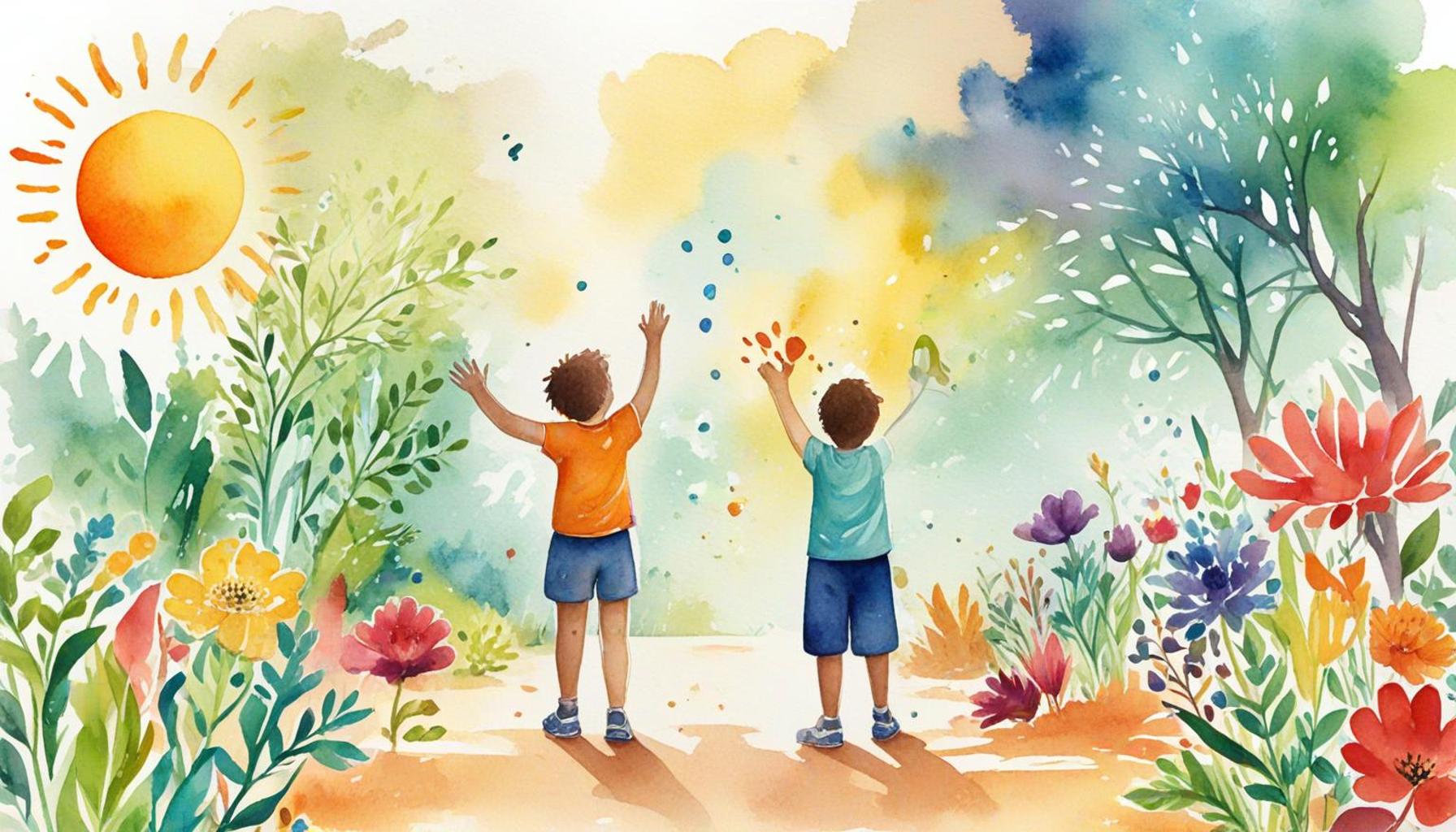
The Essence of Inclusive Education
In an increasingly diverse educational setting, where students come from myriad backgrounds and possess varying abilities, the concept of inclusive education has come to the forefront. This educational paradigm not only aims to create equitable learning opportunities for all, particularly for those with special needs but also fosters a holistic approach to learning by celebrating diversity. Implementing strategies like positive reinforcement can significantly enhance this educational landscape, making classrooms more supportive and engaging for every student.
Understanding Positive Reinforcement
Positive reinforcement is a strategy grounded in behavioral psychology that involves providing rewards or incentives in response to desired behaviors. This could be as simple as verbal praise, tangible rewards like stickers, or additional privileges. The benefits of this approach are notably pronounced for students with special needs, as it can:
- Boost self-esteem and confidence: By recognizing their achievements, however small, students start to believe in their capabilities. A young learner in Nigeria who struggles with reading, for example, might gain confidence with each acknowledgment of progress from a teacher.
- Encourage persistence in challenging tasks: Repeated small wins help cultivate resilience. A student grappling with mathematics can be motivated to continue tackling difficult problems knowing they will be praised for effort, even if the answers are not yet correct.
- Enhance motivation to learn and engage: A classroom environment that actively celebrates achievements fosters curiosity and enthusiasm, creating a space where students are eager to explore new concepts.
The Nigerian Context
In Nigeria, with its rich tapestry of cultures, languages, and educational settings, applying positive reinforcement becomes crucial. Schools across the nation vary significantly in resources and teaching methodologies. By fostering an inclusive atmosphere where students feel valued, educators can enhance the educational experience for all. For instance, a collaborative group project in a science class can encourage students to work together, utilizing strength in diversity, while mutual praise helps build a supportive community.
- Promote collaborative learning: Group activities where students are encouraged to share their unique perspectives cultivate a sense of belonging, essential for fostering social skills and peer interactions.
- Encourage peer support and interaction: Establishing a culture of recognition and reward not only helps those with special needs to thrive but also promotes empathy and understanding among all students.
- Instill a resilient mindset in all learners: An environment where persistence is appreciated transforms challenges into opportunities for growth, leading to a generation of resilient individuals ready to face life’s adversities.
Conclusion: The Ripple Effect of Positive Reinforcement
As we continue to explore the undeniable impact of positive reinforcement on inclusive education, it’s crucial to recognize that its influence transcends individual outcomes. The strategies that educators implement will not only benefit students with special needs but also enrich the entire classroom culture. Each act of recognition and encouragement contributes to a thriving educational community where every student is empowered to reach their full potential.
By harnessing the power of positive reinforcement, educators can help foster environments where students learn not only with their minds but also with their hearts, laying the groundwork for a future where every individual feels valued and capable. The journey towards inclusive education is ongoing, and positive reinforcement is a beacon guiding classrooms across Nigeria and beyond toward a more equitable future.
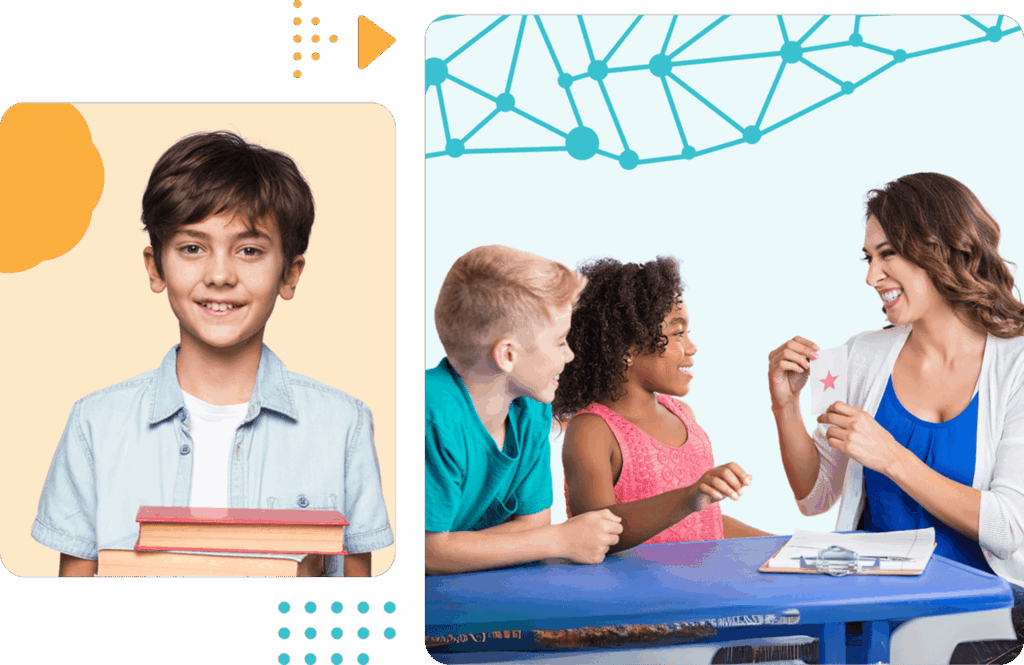
YOU MAY ALSO LIKE: Read read another article
Empowering Students through Positive Reinforcement
The application of positive reinforcement in the classroom is a powerful tool that can be transformative, particularly for students with special needs. By recognizing and rewarding desired behaviors, educators not only affirm students’ achievements but also significantly boost their overall learning experiences. In a diverse educational landscape such as Nigeria, the implications of this strategy extend far beyond enhanced academic performance; they stretch into the realms of self-identity, community engagement, and the formation of essential social skills.
Creating a Safe Learning Environment
A classroom built on the principles of positive reinforcement creates a safe and positive space where students feel encouraged to take risks. For instance, when a child expresses a thought or answers a question, even if it is incorrect, providing supportive feedback rather than criticism fosters a sense of trust. This safety net is crucial for students with special needs, who may grapple with anxiety or fear of failure. As a real-life example, consider a Nigerian student with an intellectual disability participating in a group discussion. By recognizing their contribution and praising their effort, teachers can motivate the student and promote active participation among peers.
The Science Behind Positive Reinforcement
Positive reinforcement is rooted in well-established psychological theories. According to the Behaviorist Theory, behaviors that are rewarded are more likely to be repeated. Thus, when teachers cultivate a practice of acknowledging small successes, they set a foundation for a resilient growth mindset. Educational psychologists assert that this approach not only impacts the individual student but also influences their peers in the classroom. Key benefits include:
- Building a Culture of Success: Recognizing students for their efforts creates a collective desire to succeed. When students witness their peers being rewarded for attempting challenging tasks, it encourages them to step out of their comfort zones.
- Enhancing Emotional Well-being: Students often face emotional challenges, particularly those with special needs. Positive reinforcement plays a crucial role in alleviating these pressures by celebrating achievements, which can improve mood and readiness to learn.
- Encouraging Peer-to-Peer Support: The practice fosters an environment where students support one another, reinforcing positive interactions and building lasting relationships that enrich the learning experience.
Furthermore, in Nigeria’s multicultural classrooms, positive reinforcement can bridge gaps in experiences. When students from different backgrounds are acknowledged for their unique contributions, they feel valued, thereby fostering a deeper sense of belonging. Ultimately, this enriches not just the learners’ education, but also the teacher’s ability to engage a diverse student body successfully.
Implementing Strategies of Positive Reinforcement
For educators aiming to embrace positive reinforcement effectively, it is essential to create a structured approach tailored to each student’s needs. Teachers can employ a range of strategies, such as developing individualized reward systems, incorporating collaborative group activities, or integrating technology that tracks progress. In Nigeria, for instance, a teacher might implement a reward chart that celebrates both academic and behavioral milestones, showcasing the student’s growth and progress. Taking these additional steps will not only help students with special needs but also promote a broader culture of support and encouragement in the classroom.
The Role of Positive Reinforcement in Inclusive Education
Positive reinforcement is a vital strategy in inclusive education, particularly for students with special needs. By acknowledging and rewarding desirable behaviors, educators can foster an environment that promotes a growth mindset. This approach not only encourages students to pursue challenges but also helps them develop resilience. For instance, when a student with learning disabilities successfully engages in class activities, providing verbal praise or tangible rewards reinforces that behavior, motivating them to continue participating. This consistent acknowledgment fosters an atmosphere where students feel valued, encouraging them to take risks in their learning journey. Moreover, positive reinforcement plays a crucial role in shaping social interactions among peers. As students with special needs receive encouragement, they are more likely to engage positively with their classmates, which helps build friendships and a sense of belonging. Teachers can utilize strategies such as praise, tokens, or a points system to boost students’ confidence and self-esteem.Furthermore, implementing positive reinforcement can mitigate behavioral issues, often stemming from frustration or a lack of engagement in traditional learning environments. By recognizing small achievements, educators can redirect students’ focus toward their strengths and abilities, rather than deficiencies. This shift in perspective is essential for developing a lasting growth mindset, which is the foundation of lifelong learning.The integration of positive reinforcement strategies in diverse classrooms not only enhances individual student experiences but also encourages a collaborative learning atmosphere. Students learn to support one another, fostering inclusivity and reducing stigma associated with special needs. As more schools embrace this approach, it creates a ripple effect that can redefine how educational success is perceived, paving the way for a future where all learners thrive.
| Advantage | Description |
|---|---|
| Increased Motivation | Positive reinforcement boosts student enthusiasm and engagement in learning tasks. |
| Enhanced Social Skills | Encouragement fosters positive interactions, promoting friendships and peer support. |
The use of structured reinforcement programs tailored to individual needs can dramatically improve learning outcomes. Educators are encouraged to explore various methods suited to their students to maximize effectiveness, thereby enriching the inclusive classroom experience.
CHECK OUT: Click here to explore more
Fostering a Growth Mindset Through Positive Reinforcement
Cultivating a growth mindset is essential in inclusive education, particularly for students with special needs. The essence of a growth mindset lies in the belief that abilities and intelligence can be developed through dedication and hard work. Positive reinforcement plays a pivotal role in nurturing this mindset, as it encourages students to embrace challenges rather than shy away from them. For instance, Nigerian teachers can utilize culturally relevant examples to illustrate the importance of perseverance and effort, inspiring students to develop resilience in their academic pursuits.
Encouraging Self-Reflection and Goal-Setting
One of the significant advantages of positive reinforcement is its capacity to promote self-reflection. When students receive praise for small achievements, they are more likely to assess their understanding and recognize areas for improvement. For a student with autism spectrum disorder, a teacher praising their effort in completing a project can lead to an insightful reflection about their learning journey. As educators provide feedback that emphasizes growth rather than perfection, students start to associate challenges with opportunities for learning. In Nigerian classrooms, this can manifest in students setting personal goals, such as aiming for higher scores in examinations or improving their participation in group activities.
Utilizing Diverse Reinforcement Strategies
The implementation of a variety of positive reinforcement strategies can address the diverse needs of students with special needs. Teachers can explore both tangible rewards—such as stickers, certificates, or extra playtime—and intrinsic rewards, including verbal praise and a sense of accomplishment. Furthermore, incorporating these strategies within structured learning systems enables educators to recognize not only academic achievements but also improvements in soft skills, such as teamwork and communication. For example, in a classroom setting, a teacher might celebrate a student’s improved ability to articulate their thoughts during a discussion, highlighting the value of communication alongside academic content.
Building Partnerships with Parents and Communities
The integration of positive reinforcement extends beyond the classroom to create a collaborative support system involving parents and the wider community. Educators can engage parents by sharing their observations of their children’s progress and providing strategies for reinforcement at home. This consistent message reinforces the importance of a growth mindset and ensures that students receive encouragement from multiple sources. In Nigerian contexts, school-community partnerships can further enhance the impact of positive reinforcement. For example, a local business might sponsor a recognition event where students are celebrated not only for academic achievements but also for exemplary behavior and community service.
Measuring the Impact of Positive Reinforcement
To truly understand the effectiveness of positive reinforcement in fostering a growth mindset among students with special needs, schools must implement methods for measuring outcomes. Educators can track improvements in student engagement, academic performance, and social skills development over time, providing valuable insight into the effectiveness of specific reinforcement strategies. Collecting data on these areas can help schools refine their approaches, ensuring that they address the unique challenges faced by students with disabilities. Moreover, sharing these findings within and beyond the school community serves as a powerful motivator for ongoing commitment to inclusive education.
Ultimately, the seamless integration of positive reinforcement within inclusive education not only promotes individual student growth but also contributes to building a vibrant, supportive educational environment. In Nigeria’s diverse and dynamic classrooms, the commitment to cultivating a growth mindset through positive reinforcement is instrumental in reshaping the learning experiences of students with special needs, paving the way for lifelong success.
ADDITIONAL INSIGHTS: Expand your understanding here
Conclusion: Transformative Effects of Positive Reinforcement
In conclusion, the role of positive reinforcement in inclusive education is not just a pedagogical strategy but a transformative approach that has the potential to alter the academic and emotional landscape for students with special needs. By fostering a growth mindset, educators empower these students to view challenges as stepping stones to personal development rather than insurmountable obstacles. Through consistent encouragement and recognition of small victories, teachers can ignite an intrinsic motivation that fuels resilience and tenacity.
Moreover, the impact of positive reinforcement extends to the home and community, creating a cohesive network of support around each student. As parents and community members join in reinforcing positive behaviors and academic efforts, the result is a rich tapestry of encouragement that celebrates diverse talents and abilities. This communal approach not only uplifts the students but also fosters an environment of inclusivity and collective growth within Nigerian classrooms.
As we move forward, it is essential for educators and institutions to focus on measuring the success of these strategies, ensuring that they continuously adapt and refine their methods to meet the evolving needs of their students. The evidence suggests a compelling link between positive reinforcement and enhanced student outcomes, paving the way for a brighter educational future.
Ultimately, we must advocate for an inclusive educational framework that recognizes and nurtures the unique potential of all learners, enabling them to flourish and thrive. Only then can we truly harness the richness of diversity within our schools, leading to a society that values each individual’s contributions and fosters lifelong success.
Related posts:
Positive Reinforcement Strategies Fostering Growth Mindset at Work
The Impact of Positive Reinforcement in Volunteering Activities: Fostering a Growth Mindset in Adult...
How Positive Reinforcement Can Transform a Growth Mindset in Children
Positive Reinforcement in Community Projects: Fostering a Growth Mindset in Local Groups
How Positive Reinforcement Can Transform Classroom Learning and Foster Students' Growth Mindset
The Integration of Positive Reinforcement in Sports Practice: Fostering a Growth Mindset in Athletes

Linda Carter is a writer and self-discipline expert specializing in personal growth, habit building, and goal achievement. With extensive experience helping individuals develop focus, consistency, and resilience, Linda shares her knowledge on our platform. Her goal is to empower readers with practical advice and strategies to cultivate self-discipline, make intentional choices, and achieve success in both their personal and professional lives.